All children learn at different paces, and it is not uncommon to find that special needs children can take a bit longer to learn basic concepts. This is because of the way and rate at which they process information. Notwithstanding this, we want to ensure that just like every other child, children with special needs are able to have fun despite their challenges. For kids, learning is better when it is fun, but developmental challenges can sometimes pose a barrier to this. To overcome this challenge, we must be able to do things a bit differently. Although, it might result in more effort but it is worth every bit of that effort. If your objective is teaching, then your mission is not accomplished until learning has occurred.
These are 5 useful and practical tips to make learning fun for children with special needs:
From Basirat Razaq-Shuaib Yes! My book “I am not naughty- I really really mean it!” made the finalist selection of the British Council ELTons Innovation […]
Read More
Last month I went to a primary school to do a book reading. This book reading program is a pioneering initiative of The Winford Centre […]
Read More
The child comes first, always. The way to address an issue is to first talk about the issue. In talking about it, we want to […]
Read More
Teachers play a critical role in the lives of children for which we will be eternally grateful. But there is no denying that teaching can […]
Read More
Dear parent, carer, educator and concerned individual out there, it is very possible that you may notice an unusual pattern with a child’s development or learning […]
Read More
As parents, carers and educators, we have the responsibility of looking out for children in our care as they are considered vulnerable. This is especially […]
Read More
Many times, you may find that if you tell an adult with Autism or a parent who has a child with Autism that their child […]
Read More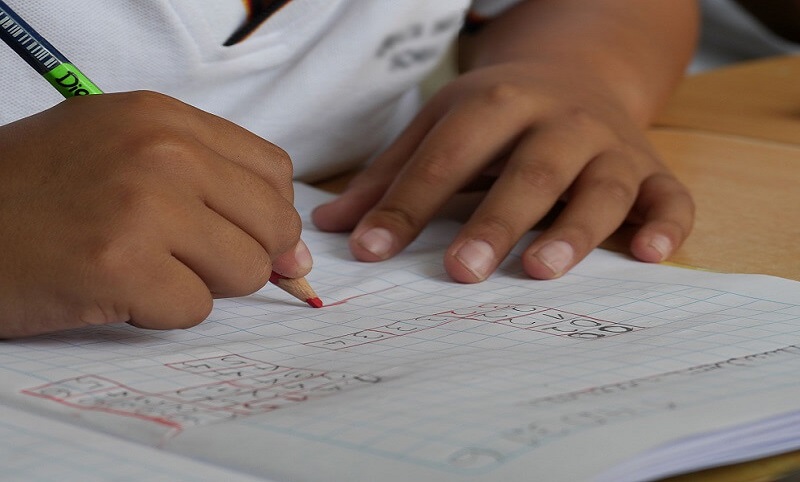
Dysgraphia is a neurological disorder characterised by a difficulty in handwriting. Having dysgraphia doesn’t make a child lazy. Writing involves a number of complex skills […]
Read More
Every now and then when we come across a child who is crying loudly, my son goes: “Look mummy he/she is crying like a baby”. […]
Read More
Dyspraxia also known as Developmental Coordination Disorder is a motor disorder which affects gross and fine motor skills in infancy and early childhood. It is […]
Read More
Lead by example Teach Model Nurture Groom Show love Show understanding Be compassionate Encourage positive behaviour and attitude Have faith in self Don’t be the […]
Read More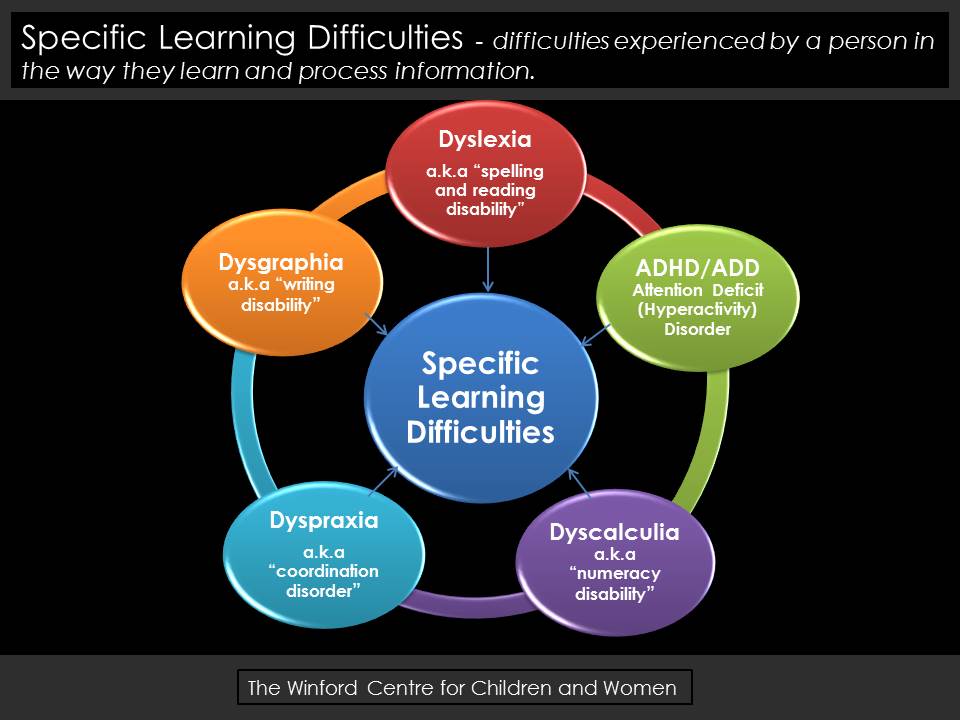
As your children start to grow, you may notice that they are struggling with certain areas of their learning. Sometimes, this may be as a […]
Read More
Without understanding fully what either term means, you are probably thinking one is worse than the other. This is not necessarily so. Somewhere in your […]
Read More
Yes it is possible for your children to see the world without spending a fortune. Buy them books If you can’t afford new books, […]
Read More
This is a society where we believe “it takes a community to raise a child”. Therefore, we are automatically entitled to giving parenting advice to […]
Read More
God forbid!!! It is not my portion!!! Ok let’s stop there. It is just a question (one worth giving a thought). A disability is not […]
Read More
Vulnerability means to be susceptible to being harmed or hurt. All children are vulnerable but those with special needs or disabilities are considered even more […]
Read More